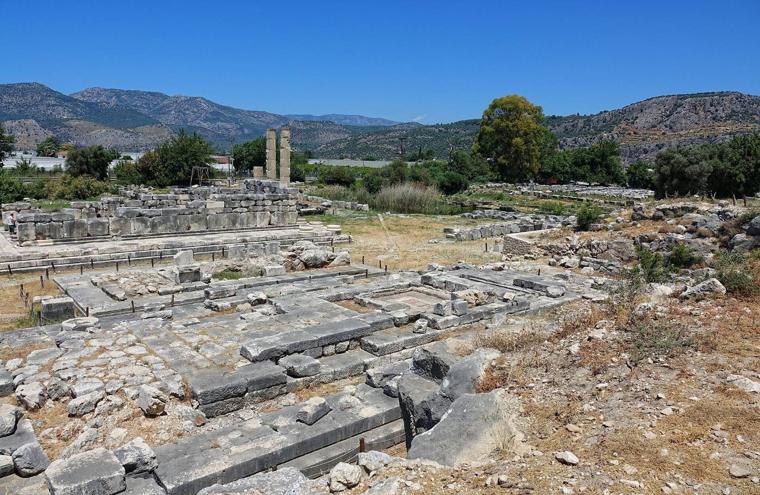
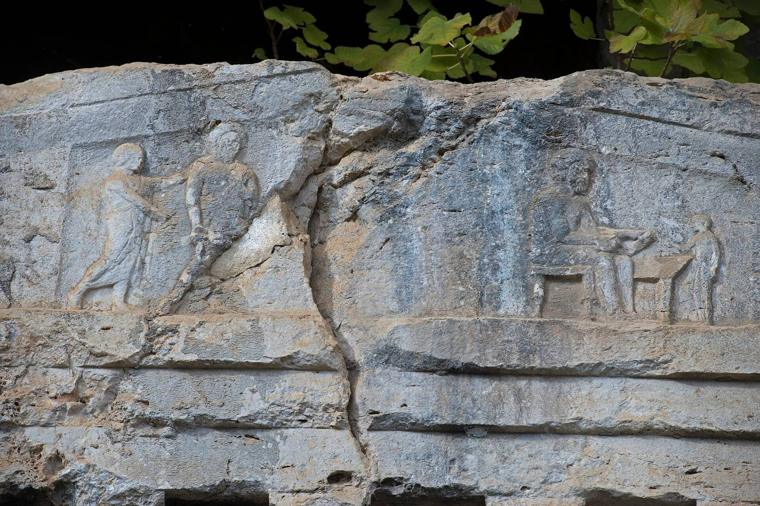
Capital of the Lycian League, a great port city with its assembly hall, colonnaded street and lighthouse.
Overview
Patara lies a short drive from Kalkan, just behind one of Turkey’s longest sandy beaches. A theatre rising from the dunes, a carefully restored assembly hall and a long colonnaded street carry visitors straight into Lycia’s glorious past. Traditionally known as the birthplace of Saint Nicholas, the city is a rare place where you can combine serious history and a lazy beach afternoon in a single, unforgettable day.
History
Patara was one of Lycia’s most important harbour cities and in antiquity was famed for an oracle of Apollo. In the Roman period it hosted meetings of the Lycian League and rose to become a leading administrative centre of the province. A road monument found here, the Stadiasmus Patarensis, records the Roman road network of the region. Later it became a Christian bishopric. As the harbour gradually silted up, the city declined, and decades of excavation are now bringing its sand-covered ruins back to light.
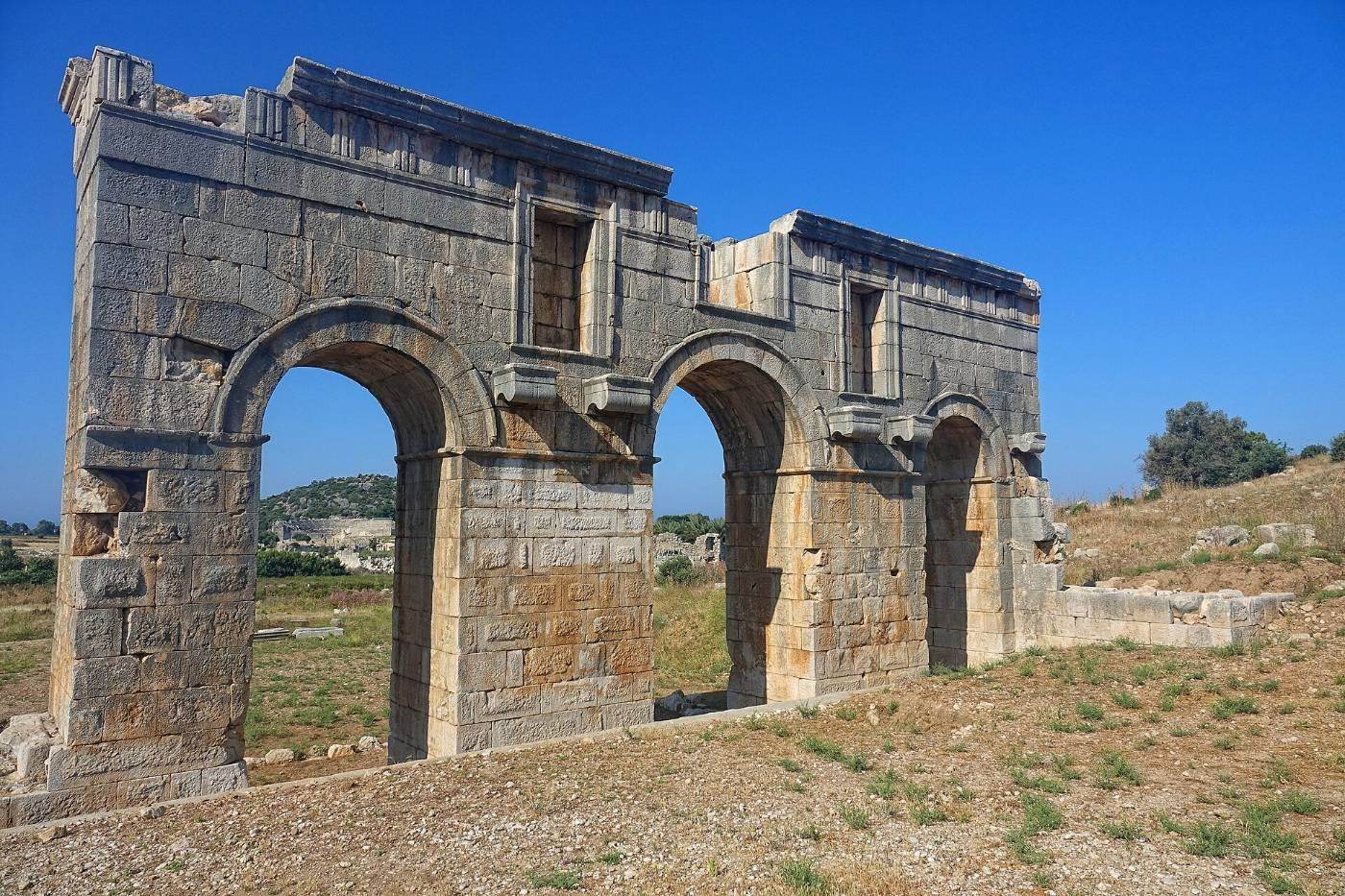 Photo: Bjørn Christian Tørrissen · CC BY-SA 4.0
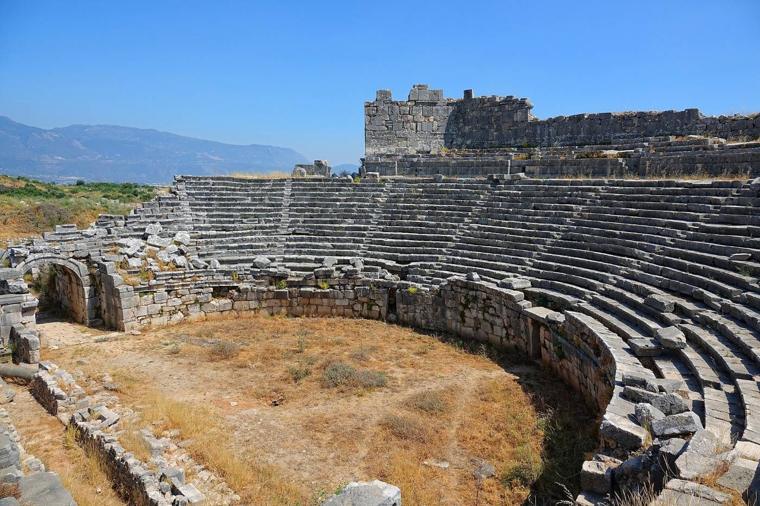 Photo: Bjørn Christian Tørrissen · CC BY-SA 4.0