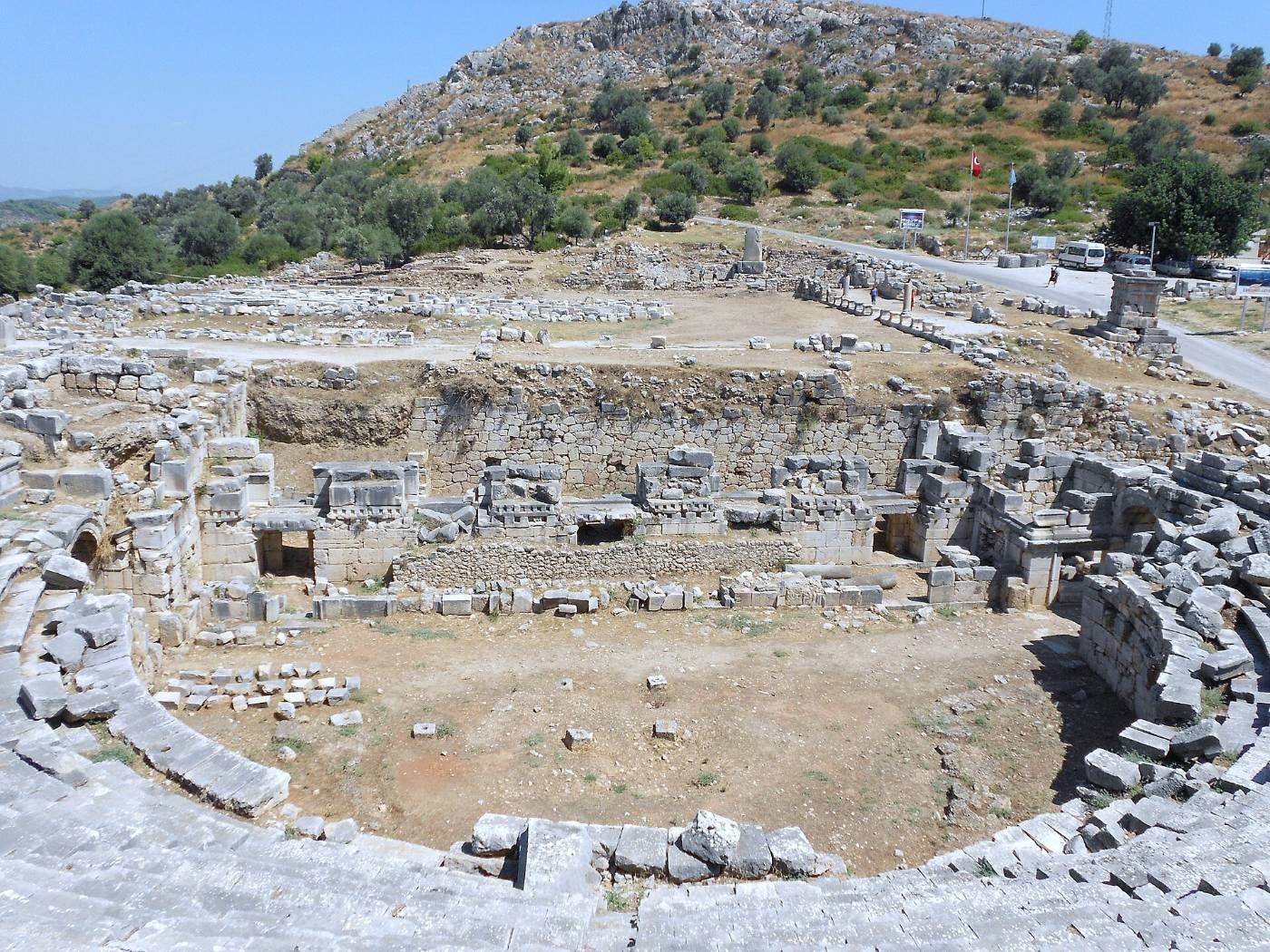
Xanthos–Letoon
Two key centres of Lycian civilisation. Xanthos was its cultural and trading capital; Letoon a sanctuary of Leto. Multilingual inscriptions found at both helped decipher the Lycian language.
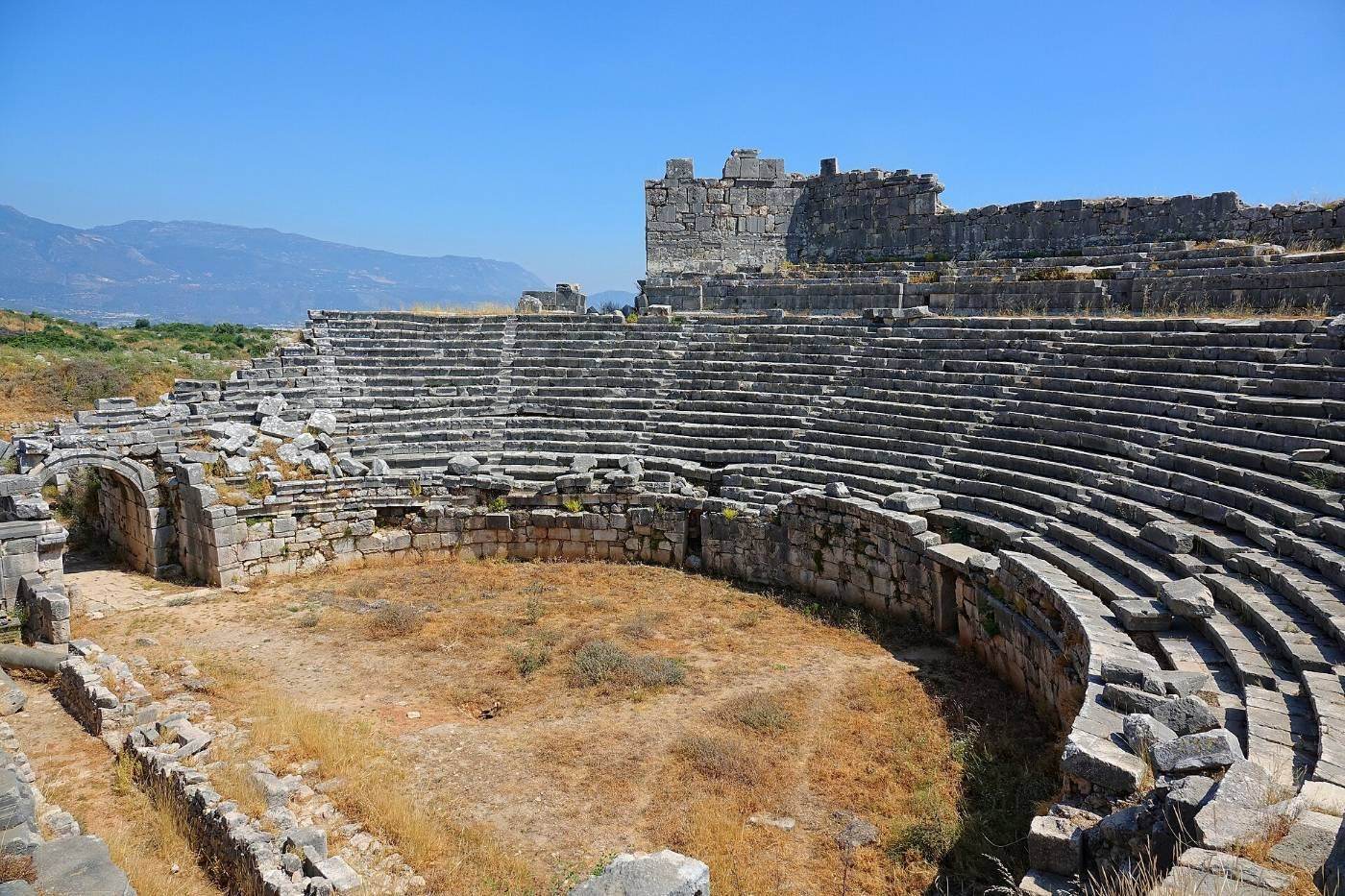 Photo: Bjørn Christian Tørrissen · CC BY-SA 4.0
Kalkan lies in the land of the Lycian League, one of the earliest forms of representative democracy. Its capital Patara, largest city Xanthos and sanctuary Letoon are all within an hour.
Kalkan sits at the very centre of ancient Lycia. In the 2nd century BC the Lycians joined more than twenty cities in a single league. Cities carried one, two or three votes according to their size, a system counted among the earliest examples of representative democracy. The league’s assembly met at Patara.
Lycia is easiest to recognise by its tombs: temple-fronted tombs cut into cliffs, sarcophagi with pointed lids, and tall pillar tombs. Xanthos and Letoon are on the UNESCO World Heritage List. Patara, Xanthos and Letoon fit together into half a day; there is little shade, so go early.
The area around Kalkan holds one UNESCO World Heritage Site and three entries on the Tentative List.
Two key centres of Lycian civilisation. Xanthos was its cultural and trading capital; Letoon a sanctuary of Leto. Multilingual inscriptions found at both helped decipher the Lycian language.
Serial nomination: Patara, Xanthos, Pinara, Myra, Tlos, Kyaneai, Teimiussa, Simena, Aperlai and other cities of the Lycian League.
The coast between Kaş and Finike; Teimiussa and Simena are its main Lycian settlements, with sunken remains.
In ancient Myra, built for the city’s bishop in the 4th century AD.
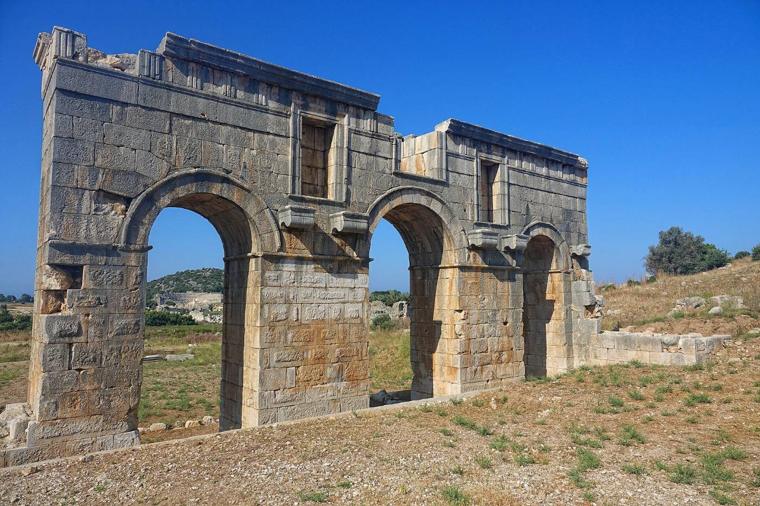 Photo: Bjørn Christian Tørrissen · CC BY-SA 4.0
Capital of the Lycian League, a great port city with its assembly hall, colonnaded street and lighthouse.
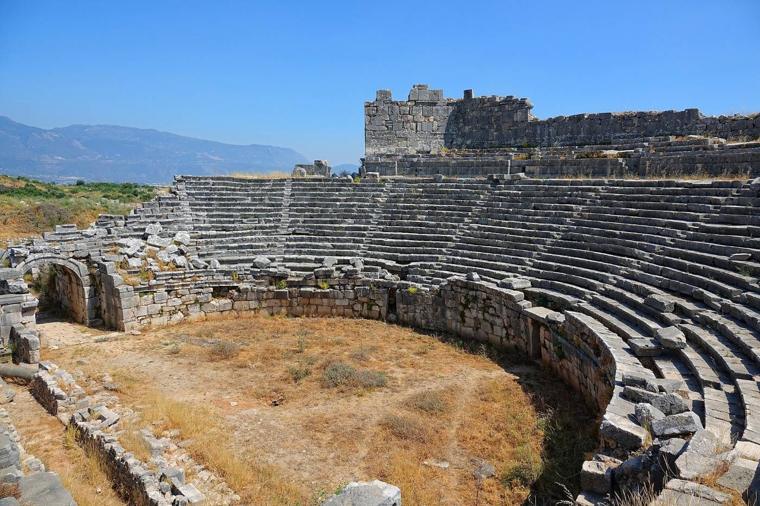 Photo: Bjørn Christian Tørrissen · CC BY-SA 4.0
UNESCO World Heritage. Lycia’s largest city, with pillar tombs and a theatre above the river.
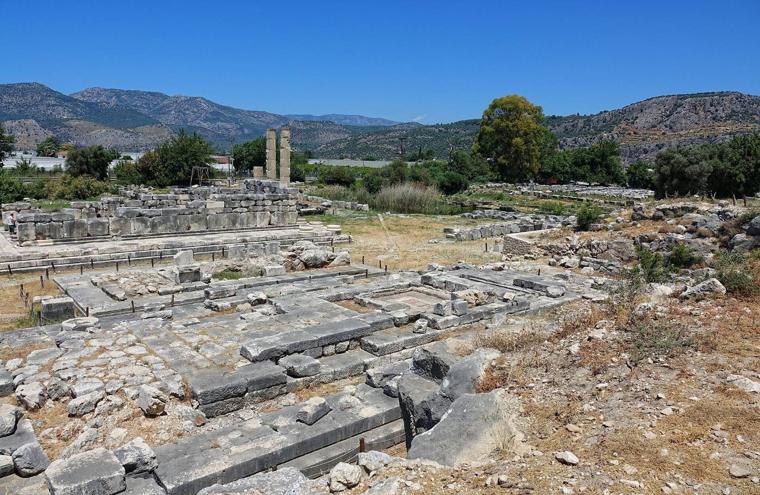 Photo: Bjørn Christian Tørrissen · CC BY-SA 4.0
The League’s sanctuary: temples of Leto, Apollo and Artemis beside a sacred spring.
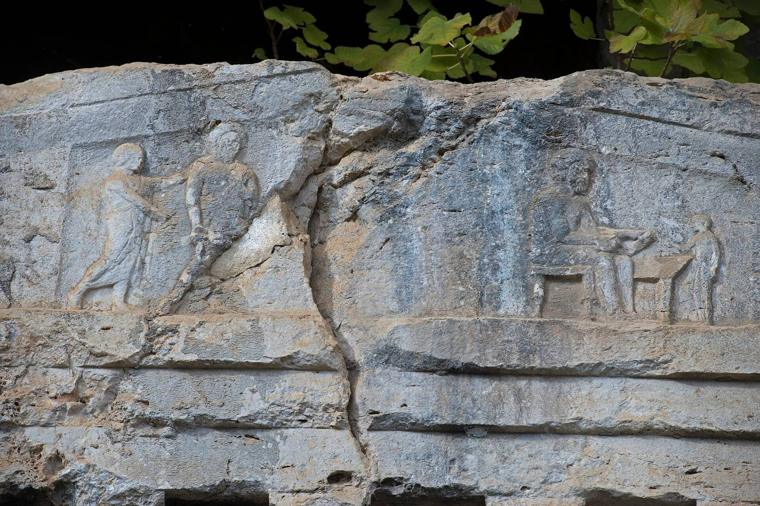 Photo: Dosseman · CC BY-SA 4.0
Hundreds of honeycomb rock tombs cut into a cliff on Mount Babadağ, with a quiet theatre.
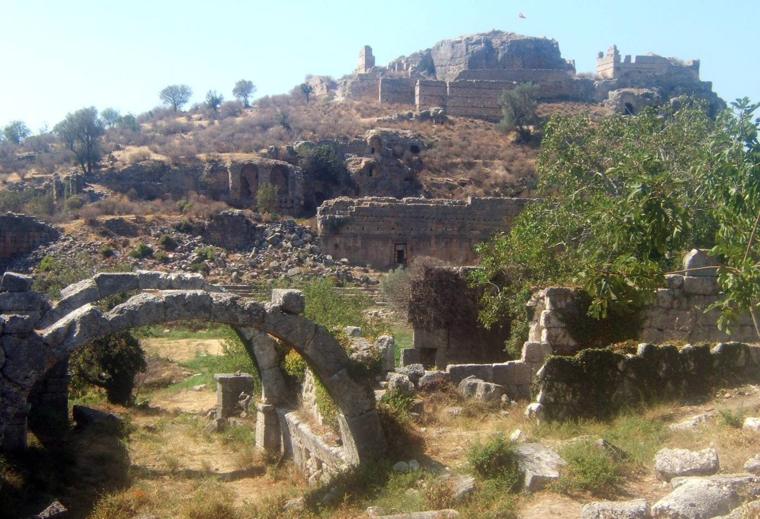 Photo: Toksave · CC BY-SA 3.0
City of the Pegasus legend; rock acropolis, stadium and Roman baths.
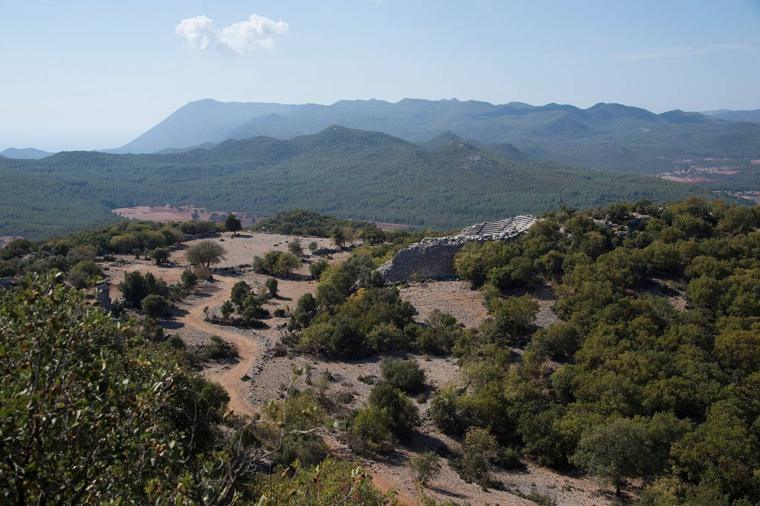 Photo: Dosseman · CC BY-SA 4.0
Hilltop city above Yavu, called the ‘City of Sarcophagi’ for its 380+ tombs.
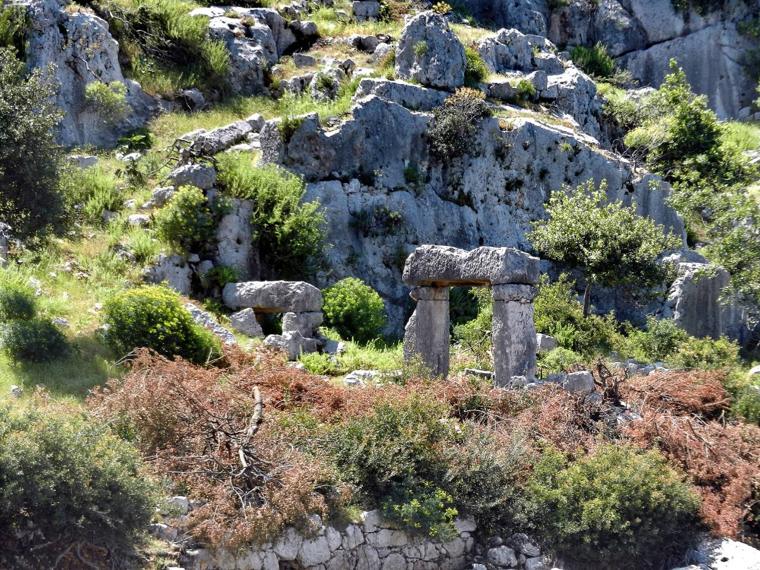 Photo: Tanya Dedyukhina · CC BY 3.0
Stairways and walls of a city sunk by a 2nd-century earthquake, visible under the sea.
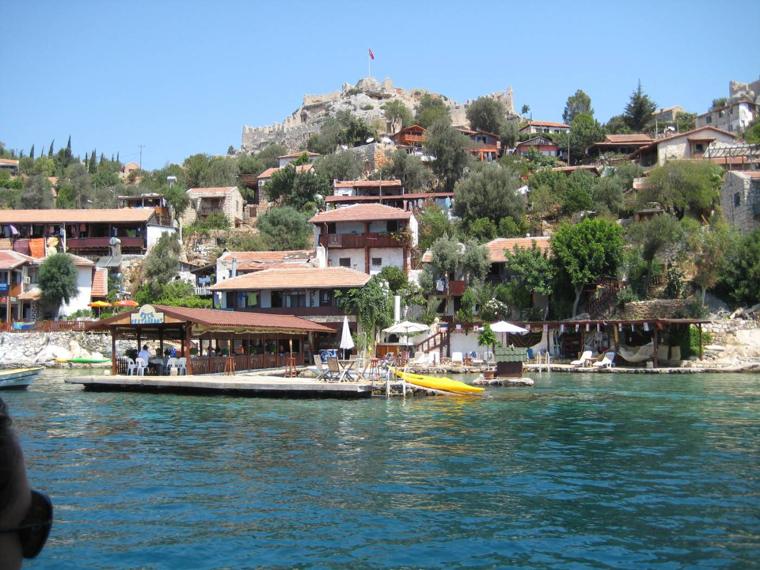 Photo: Seynaeve · CC BY-SA 3.0
A roadless village reached by boat: a castle above, a half-sunk sarcophagus in the sea.
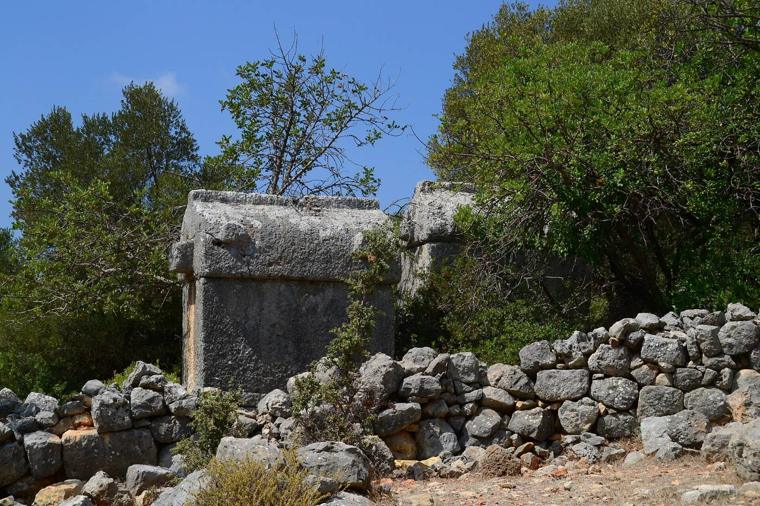 Photo: Gisela s · CC BY-SA 4.0
Roadless Lycian harbour in Asar Bay, once famed for purple dye.
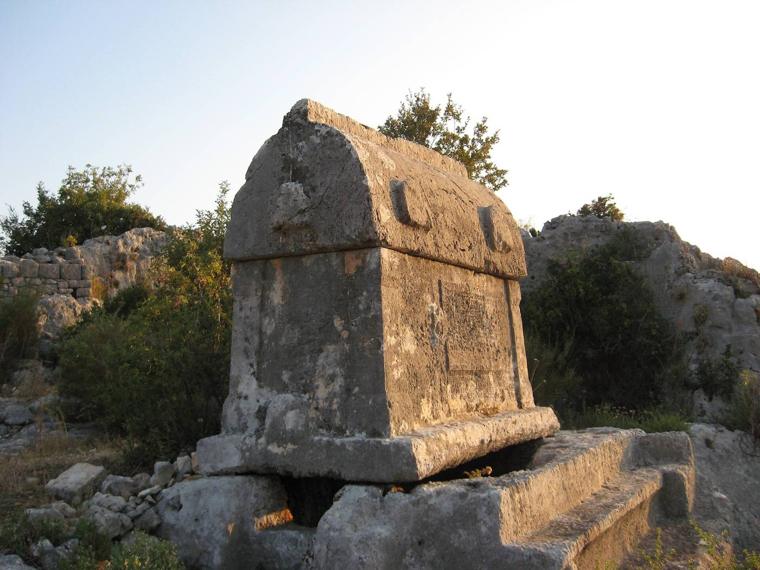 Photo: Itai · Public domain
Kekova’s sheltered fishing harbour, its tombs woven between village houses.
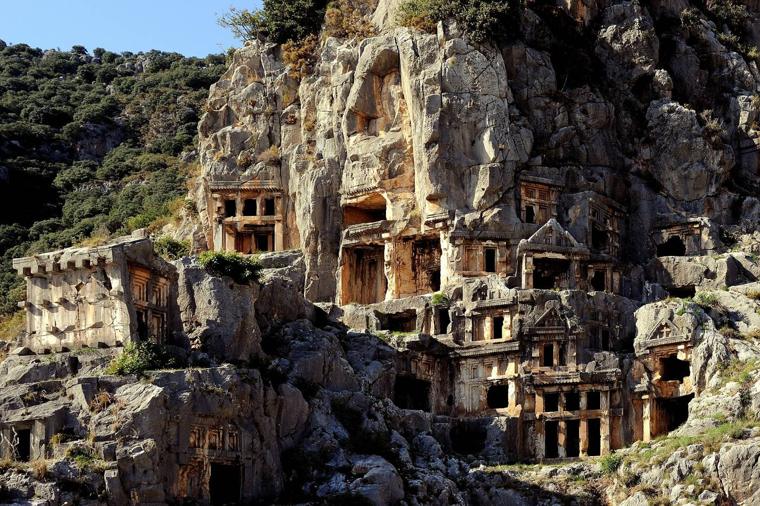 Photo: Saffron Blaze · CC BY-SA 3.0
Rock-cut tombs, a Roman theatre and the Church of St Nicholas, the original Santa Claus.
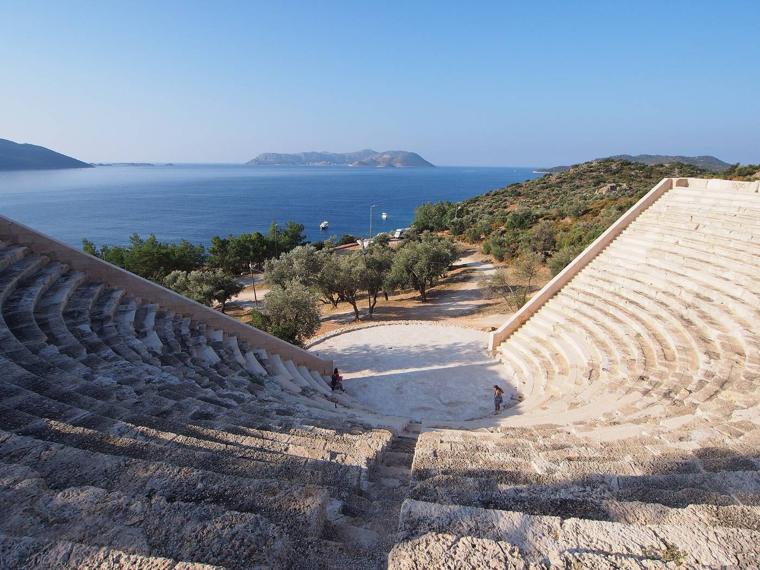 Photo: rheins · CC BY 3.0
In central Kaş, a Hellenistic theatre for about 4,000 facing Kastellorizo.
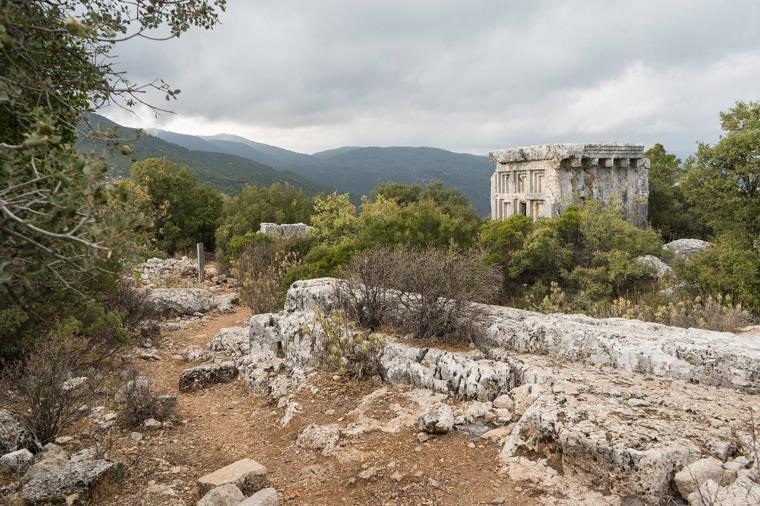 Photo: Alexkom000 · CC BY 4.0
A silent mountain city 850 metres above Kaş.
Prices are for the 2026 season and may change. Ancient-site prices are the Ministry of Culture and Tourism rates for foreign visitors; Turkish citizens pay a different rate and can use the Müze Kart.