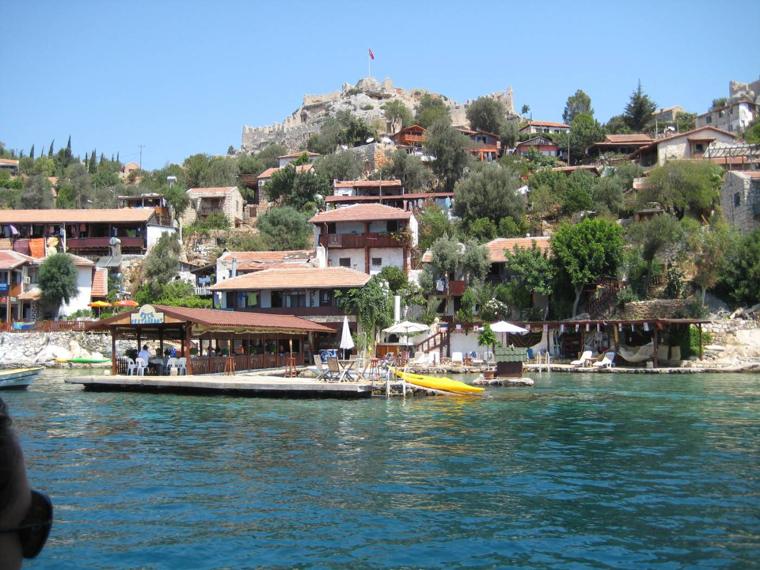
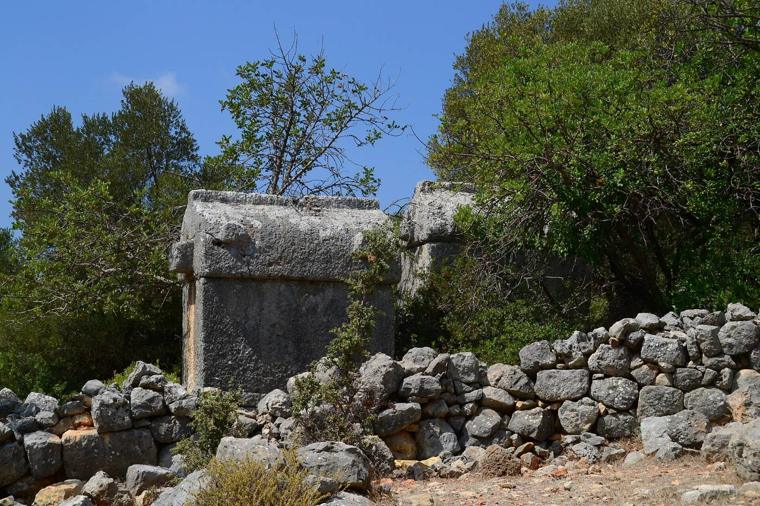
Hilltop city above Yavu, called the ‘City of Sarcophagi’ for its 380+ tombs.
Overview
Hidden among oaks and maquis on a rocky ridge above the village of Yavu, Kyaneai is one of Lycia’s most atmospheric ruined cities. It is famous for an exceptional number of sarcophagi and for rock-cut tombs with temple façades. An ancient road carved into the bedrock leads you up past the tombs to the city, where a theatre, cisterns and wall remains await. A true find for travellers who enjoy exploring far from the crowds.
History
Kyaneai was an important upland city and a member of the Lycian League, minting its own coins. Together with its villages and farmland it controlled a wide territory, and coastal settlements such as Teimiussa fell within its sphere. In Roman times it was embellished with baths and monumental buildings, and in the Byzantine era it became the seat of a bishop. Long-running German survey projects have also shed valuable light on rural life in the surrounding countryside.
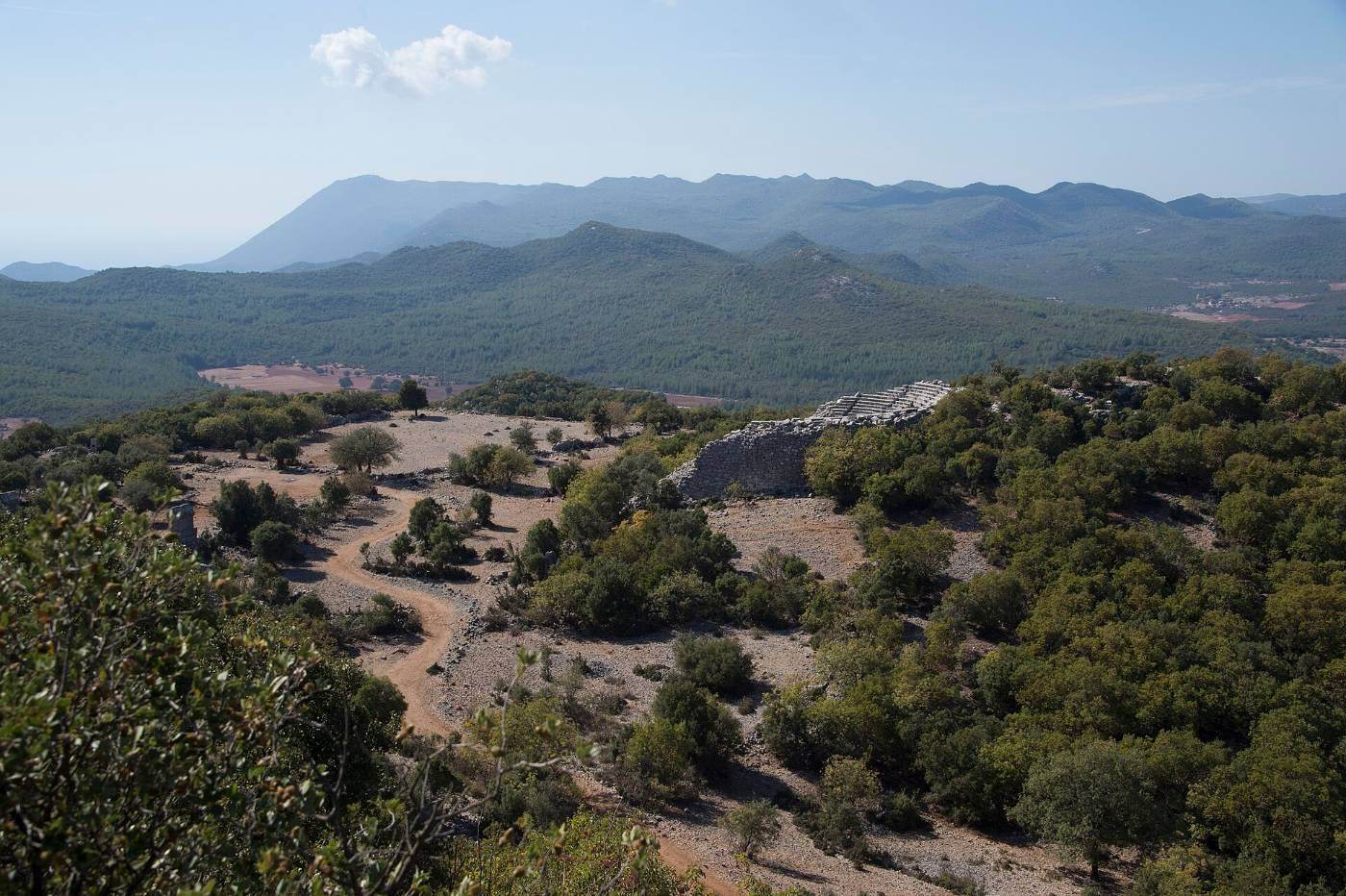 Photo: Dosseman · CC BY-SA 4.0
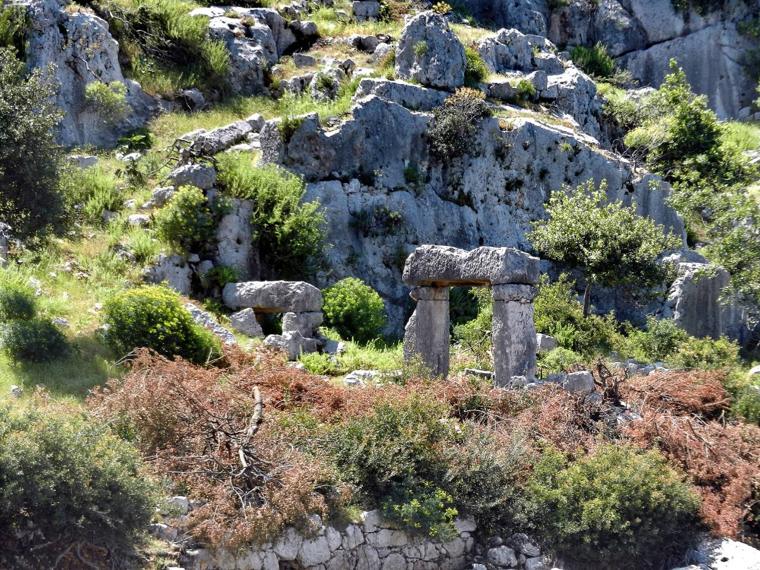 Photo: Tanya Dedyukhina · CC BY 3.0