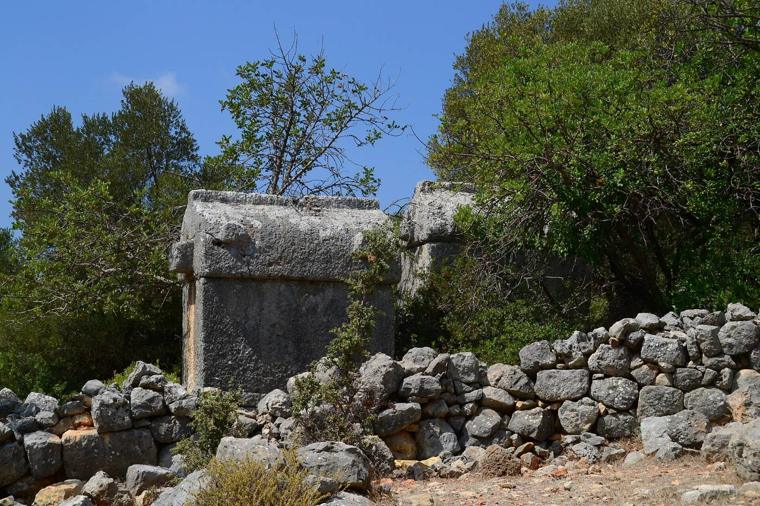
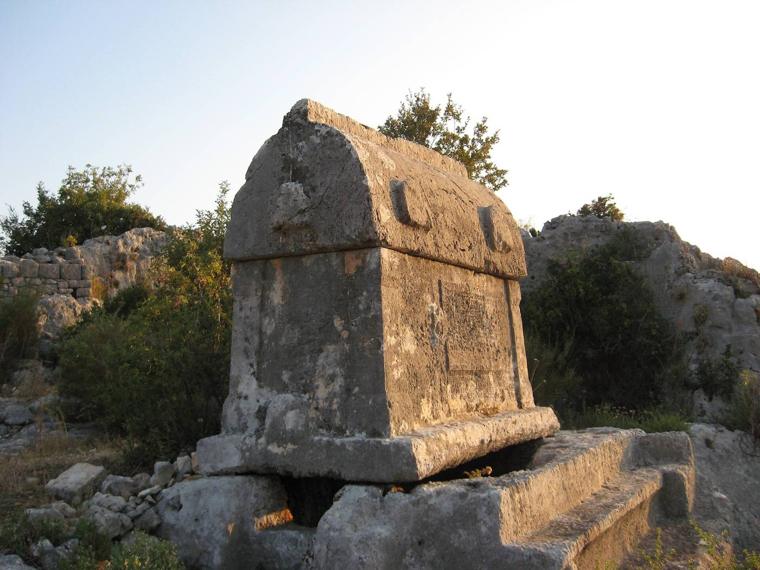
Stairways and walls of a city sunk by a 2nd-century earthquake, visible under the sea.
Overview
Along the northern shore of Kekova Island, the remains of ancient Dolchiste slip into turquoise water. Stairways, house foundations and quay outlines can be traced beneath the shallows, while half-submerged buildings on the shore have become the region’s emblem. The best way to see the Sunken City is on a boat or kayak trip that combines calm coves, the ruined Byzantine church at Tersane and plenty of swimming stops.
History
Dolchiste was a small but busy harbour settlement on the Lycian coast. A major earthquake struck it in the 2nd century, and movements of the earth’s crust left part of the town below sea level. Even so, life resumed and the settlement thrived in the Byzantine period until Arab raids made the coast unsafe. The region was declared a Specially Protected Area in 1990 and, as “Kekova”, joined UNESCO’s World Heritage Tentative List in 2000.
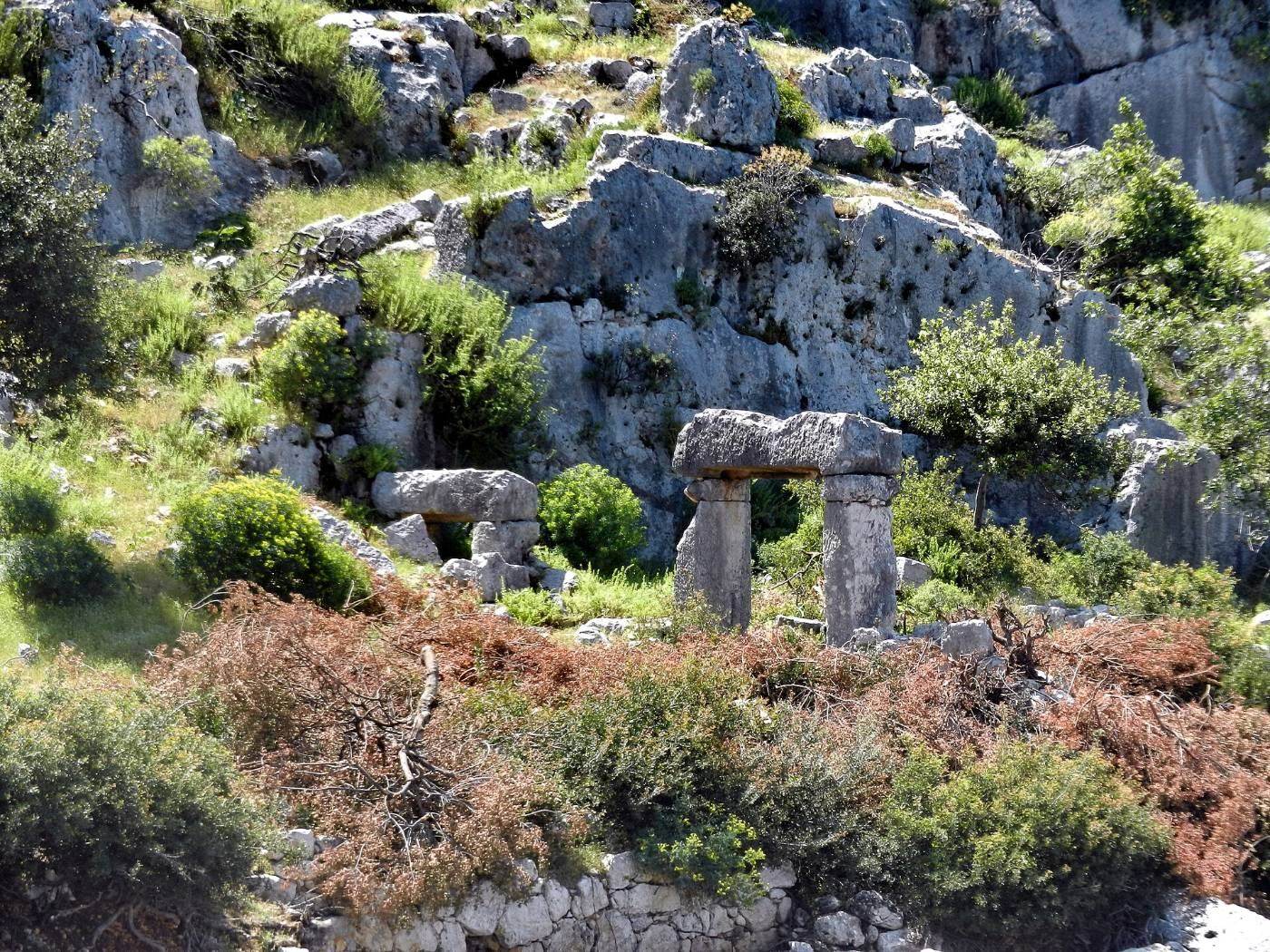 Photo: Tanya Dedyukhina · CC BY 3.0
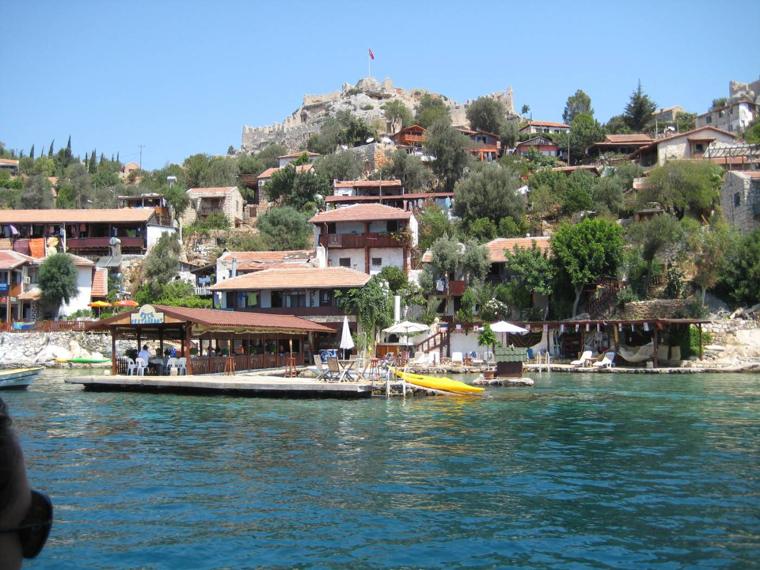 Photo: Seynaeve · CC BY-SA 3.0